

W9TR
Well-known member
- Thread Author
- #1
I’m an engineer by training and a music lover. I may even be an audiophile, although I hesitate, as that term has become pejorative.
If you listened to FM radio in the 80’s and 90’s, before IBOC, there are better than even odds that you were listening through products I designed, especially if you listened to classical or NPR stations. I think this brings a unique perspective around audibility and measurements, what they tell us, what they don’t.
I am constantly surprised by hearing improvements that my engineering brain and current industry measurement practices just don’t capture. Why does my Topping D50 DAC sound like shit, and my Schiit Modi 5 sounds fantastic, even though they measure the same? At the same time, I’m amazed by the number of charlatans pushing products that have a tenuous connection to reality. I’m looking at you, Brilliant Pebbles.
Like any group of passionate people, here at AS we sometimes get caught up in the objective vs subjective debate. Both viewpoints are sometimes wrong, and I’ve tried to articulate this in a meaningful way and come up short. Every time.
Que up the recent AES Convention Keynote by Lars Risbo, CTO of Purifi.
Get a cup of coffee, it’s about a 15 minute read. Let me know what you think.
 purifi-audio.com
If you listened to FM radio in the 80’s and 90’s, before IBOC, there are better than even odds that you were listening through products I designed, especially if you listened to classical or NPR stations. I think this brings a unique perspective around audibility and measurements, what they tell us, what they don’t.
I am constantly surprised by hearing improvements that my engineering brain and current industry measurement practices just don’t capture. Why does my Topping D50 DAC sound like shit, and my Schiit Modi 5 sounds fantastic, even though they measure the same? At the same time, I’m amazed by the number of charlatans pushing products that have a tenuous connection to reality. I’m looking at you, Brilliant Pebbles.
Like any group of passionate people, here at AS we sometimes get caught up in the objective vs subjective debate. Both viewpoints are sometimes wrong, and I’ve tried to articulate this in a meaningful way and come up short. Every time.
Que up the recent AES Convention Keynote by Lars Risbo, CTO of Purifi.
Get a cup of coffee, it’s about a 15 minute read. Let me know what you think.
Unreasonable Audio Innovation
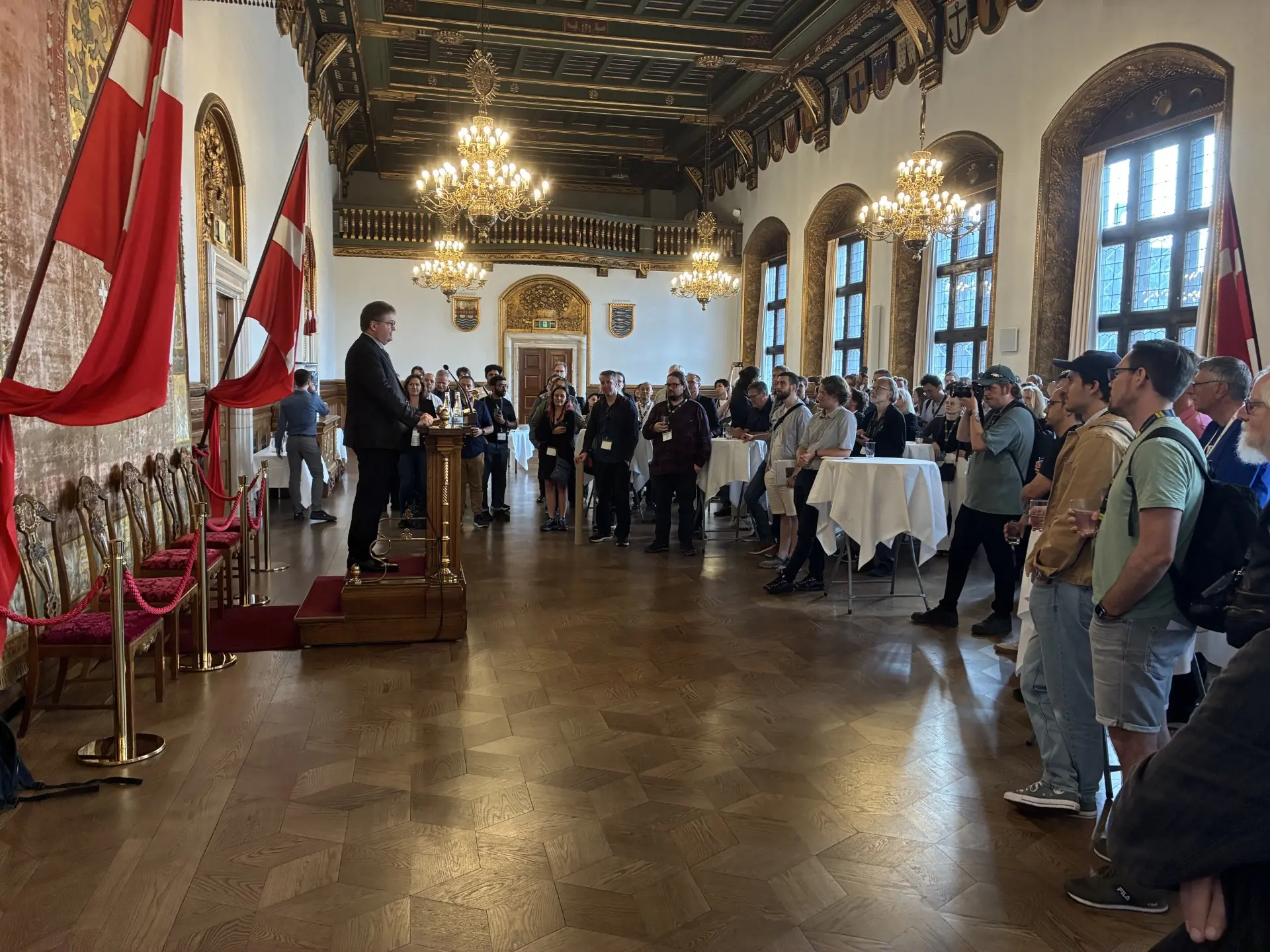
Keynote at the AES160th Convention Reception, Cityhall of Copenhagen,May 29th, 2026
purifi-audio.com


 a well thought out read..............