_theaudiofile
New member
- Joined
- Apr 13, 2026
- Messages
- 20
- Thread Author
- #1
TL;DR Summary:
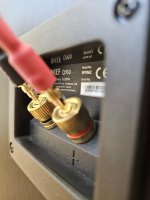
The KEF Q950 is a large floorstanding speaker designed for room-filling sound and a wide listening area. It uses a clever sealed-box design with passive radiators that makes it way more forgiving of room placement than your average ported tower. You’re getting top-tier imaging, but be warned: these are thirsty speakers. You need high-current power to handle their 3.2-ohm dips, and you’ll definitely want a sub to handle the heavy lifting for movies. Now that the Meta series is out, these are arguably the best bang-for-your-buck towers on the used market.
Design and Build:
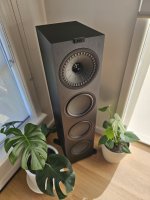
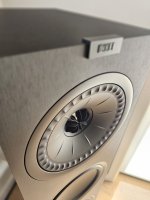
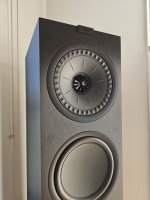
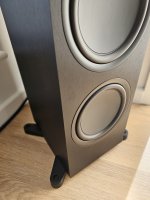
Budget is a big consideration for this hobby; I spent a long time researching and comparing options back and forth before finally pulling the trigger on these. I recently purchased a pair of Q950s from a forum member, which finally gave me the chance to see how these towers handle a real-world setup. These are quite heavy at over 20kg each and they feel solid. However, the external finish is an obvious area where KEF saved on costs. The matte vinyl wrap is functional, but it definitely lacks the premium, furniture-grade feel of the wood veneers found on more expensive lines or even some of KEF’s competitors. It can show wear, scuffs, or oily fingerprints easily if you aren't careful during setup. Luckily, the pair I picked up were in almost perfect condition, but it's something to keep in mind if you’re buying new or used.
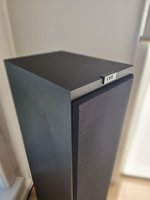
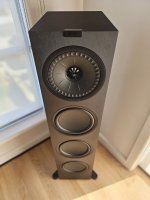
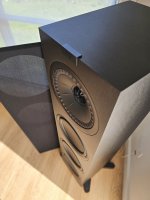
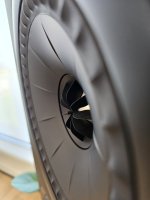
The internal is where these speakers shine. KEF went with a 2.5-way design using that signature 8-inch Uni-Q array. Instead of a rear port, which can make placement a nightmare near walls, they used an active woofer paired with two passive radiators. This made placement easy; I could put them closer to the wall than a traditional ported speaker without ruining the sound with bloated, muddy bass. The flat top of the cabinet also makes a stable base if you use upward-firing height speakers for Atmos.
From my experience, toe-in is not required. Because the Uni-Q driver has such wide dispersion, pointing them straight ahead gives you the most natural treble and a much wider stage. When I aimed them directly at my seat, the highs got a bit too "shouty" and the soundstage felt like it shrunk.
Music Performance:
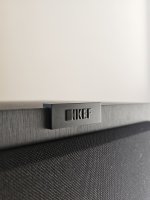
In my listening sessions, the Q950 stood out for its ability to create a massive, three-dimensional stage where the speakers effectively "disappear." Because I picked these up used, the high frequencies were already smooth and didn't have that "sharp" edge that brand-new KEFs often exhibit during the first 20 hours that I see others experienced.
I threw on some Kenny G, and the speakers did a great job catching the actual texture of the sax; the breathiness and the reediness without making it sound like elevator music. For the big vocal harmonies in Air Supply, the stage felt wide and airy. Then I moved to Celine Dion, and man, her power ballads really show off the midrange clarity. Her voice hits with a sense of height and "weight" that you just don't get from smaller towers. Even on intimate pop like Wet Wet Wet's "Love Is All Around," the mid-bass was punchy and the vocals felt warm and present.
The Complexity Ceiling: I have to be honest about the downsides, though. On busy, dense tracks like Journey’s "Don’t Stop Believin’" or the rock finale of Bohemian Rhapsody, things can start to feel a bit "congested." Because that top Uni-Q driver is trying to handle a huge chunk of the frequency range at once, the instrument separation isn't quite as razor-sharp as a dedicated 3-way system. It’s not a dealbreaker, but you can hear the layers blur slightly when Freddie Mercury’s 180+ vocal overdubs start clashing with the heavy guitar riffs.
Movie Performance:
In my theatre setup, the Q950 is a spatial panning pro. Since I do not have a dedicated Q650c center channel, I relied on the towers to create a phantom center. I’ll say this: these are probably the best speakers for it. The wide dispersion means the dialogue stays locked to the screen even if you’re sitting on the end of the couch.
While the phantom setup is effective, adding a dedicated center like the Q650c would be a worthwhile upgrade. A dedicated centre would take the dialogue load off the towers, giving them more breathing room for the score and the big effects. It also gives you that independent volume control for voices, which is a lifesaver during loud action scenes.
In Sinners, the dialogue felt grounded and easy to follow. But let's be clear; despite those 8-inch cones, these aren't subwoofers. They roll off pretty quickly below 30Hz. For the massive organ notes in Interstellar or the "voice" in Dune, you absolutely need a dedicated sub. Watching the opening of Edge of Tomorrow felt a bit thin until I fired up my SVS PB-2000s. I’ve found that crossing the towers over at 80Hz is the sweet spot. It lets the towers focus on that mid-bass "slam" and prevents the floorboards from vibrating like crazy during heavy action.
Miscellaneous:
Now that the newer Meta series has replaced the Q950, these are a massive bargain on the used market. While the Q11 Meta is a true 3-way design that solves the "congestion" issue and uses Metamaterial Absorption Technology for a smoother high end, the Q950 remains an exceptional value for someone needing room-filling sound without the high price tag.
I spent a lot of time messing with the crossover points on my Denon X2800H.
Verdict:
With the new Meta series taking over, the Q950 is an absolute steal on the used market. The Q11 Meta is a better speaker; it's a true 3-way and the Metamaterial tech really smooths out the highs but you're going to pay a massive premium for it. If you have the room and a decent amp that can handle 3.2-ohm dips, the Q950 is a no-brainer that’s very hard to beat for the money.
Ratings:
The KEF Q950 is a large floorstanding speaker designed for room-filling sound and a wide listening area. It uses a clever sealed-box design with passive radiators that makes it way more forgiving of room placement than your average ported tower. You’re getting top-tier imaging, but be warned: these are thirsty speakers. You need high-current power to handle their 3.2-ohm dips, and you’ll definitely want a sub to handle the heavy lifting for movies. Now that the Meta series is out, these are arguably the best bang-for-your-buck towers on the used market.
Design and Build:
Budget is a big consideration for this hobby; I spent a long time researching and comparing options back and forth before finally pulling the trigger on these. I recently purchased a pair of Q950s from a forum member, which finally gave me the chance to see how these towers handle a real-world setup. These are quite heavy at over 20kg each and they feel solid. However, the external finish is an obvious area where KEF saved on costs. The matte vinyl wrap is functional, but it definitely lacks the premium, furniture-grade feel of the wood veneers found on more expensive lines or even some of KEF’s competitors. It can show wear, scuffs, or oily fingerprints easily if you aren't careful during setup. Luckily, the pair I picked up were in almost perfect condition, but it's something to keep in mind if you’re buying new or used.
The internal is where these speakers shine. KEF went with a 2.5-way design using that signature 8-inch Uni-Q array. Instead of a rear port, which can make placement a nightmare near walls, they used an active woofer paired with two passive radiators. This made placement easy; I could put them closer to the wall than a traditional ported speaker without ruining the sound with bloated, muddy bass. The flat top of the cabinet also makes a stable base if you use upward-firing height speakers for Atmos.
From my experience, toe-in is not required. Because the Uni-Q driver has such wide dispersion, pointing them straight ahead gives you the most natural treble and a much wider stage. When I aimed them directly at my seat, the highs got a bit too "shouty" and the soundstage felt like it shrunk.
Music Performance:
In my listening sessions, the Q950 stood out for its ability to create a massive, three-dimensional stage where the speakers effectively "disappear." Because I picked these up used, the high frequencies were already smooth and didn't have that "sharp" edge that brand-new KEFs often exhibit during the first 20 hours that I see others experienced.
I threw on some Kenny G, and the speakers did a great job catching the actual texture of the sax; the breathiness and the reediness without making it sound like elevator music. For the big vocal harmonies in Air Supply, the stage felt wide and airy. Then I moved to Celine Dion, and man, her power ballads really show off the midrange clarity. Her voice hits with a sense of height and "weight" that you just don't get from smaller towers. Even on intimate pop like Wet Wet Wet's "Love Is All Around," the mid-bass was punchy and the vocals felt warm and present.
The Complexity Ceiling: I have to be honest about the downsides, though. On busy, dense tracks like Journey’s "Don’t Stop Believin’" or the rock finale of Bohemian Rhapsody, things can start to feel a bit "congested." Because that top Uni-Q driver is trying to handle a huge chunk of the frequency range at once, the instrument separation isn't quite as razor-sharp as a dedicated 3-way system. It’s not a dealbreaker, but you can hear the layers blur slightly when Freddie Mercury’s 180+ vocal overdubs start clashing with the heavy guitar riffs.
Movie Performance:
In my theatre setup, the Q950 is a spatial panning pro. Since I do not have a dedicated Q650c center channel, I relied on the towers to create a phantom center. I’ll say this: these are probably the best speakers for it. The wide dispersion means the dialogue stays locked to the screen even if you’re sitting on the end of the couch.
While the phantom setup is effective, adding a dedicated center like the Q650c would be a worthwhile upgrade. A dedicated centre would take the dialogue load off the towers, giving them more breathing room for the score and the big effects. It also gives you that independent volume control for voices, which is a lifesaver during loud action scenes.
In Sinners, the dialogue felt grounded and easy to follow. But let's be clear; despite those 8-inch cones, these aren't subwoofers. They roll off pretty quickly below 30Hz. For the massive organ notes in Interstellar or the "voice" in Dune, you absolutely need a dedicated sub. Watching the opening of Edge of Tomorrow felt a bit thin until I fired up my SVS PB-2000s. I’ve found that crossing the towers over at 80Hz is the sweet spot. It lets the towers focus on that mid-bass "slam" and prevents the floorboards from vibrating like crazy during heavy action.
Miscellaneous:
Now that the newer Meta series has replaced the Q950, these are a massive bargain on the used market. While the Q11 Meta is a true 3-way design that solves the "congestion" issue and uses Metamaterial Absorption Technology for a smoother high end, the Q950 remains an exceptional value for someone needing room-filling sound without the high price tag.
I spent a lot of time messing with the crossover points on my Denon X2800H.
- 80Hz: This is the standard for a reason. It protects the towers from working too hard and lets the subs handle the heavy lifting. The result is way less distortion when you’re cranking the volume.
- 60Hz: I like this for 2-channel music. It lets the Q950’s passive radiators contribute more to the kick drum and bass guitar. It sounds a bit more "full-range," but it definitely puts more strain on your amp.
Verdict:
With the new Meta series taking over, the Q950 is an absolute steal on the used market. The Q11 Meta is a better speaker; it's a true 3-way and the Metamaterial tech really smooths out the highs but you're going to pay a massive premium for it. If you have the room and a decent amp that can handle 3.2-ohm dips, the Q950 is a no-brainer that’s very hard to beat for the money.
Ratings:
- Build Quality: 4.2/5 - Heavy and solid but vinyl wrap is basic)
- Music Performance: 4.7/5 - Exceptional imaging and vocals, but crowded on busy tracks
- Movie Performance: 4.6/5 - One of the best phantom centres available; needs a sub for the deep stuff
- Value: 5/5 - A bargain if you can find them second-hand
- Overall Rating: 4.6/5