_theaudiofile
New member
- Joined
- Apr 13, 2026
- Messages
- 20
- Thread Author
- #1
TLDR:
The JUZEAR x Vivir Digital Fiesta is designed to mimic a home theater subwoofer in your ears. Delivering a deep vibrating sub-bass rumble that somehow avoids turning muddy thanks to a tight crossover control over the mid-bass. The midrange is pulled back and smooth treble skips the fine micro-details, but this makes it fatigue-free when you turn up the volume. Combined with gorgeous, pressure-vented resin shells and the inclusion of two separate premium cables (3.5mm mic + 4.4mm balanced), it’s a win for bassheads who live for EDM, Hip-Hop and Trap.
JUZEAR x Vivir Digital Fiesta Review IEM
I’ve tested the JUZEAR x Vivir Digital Fiesta for the past couple of weeks, running it through several sources like my portable dongles and a balanced desktop setup. This is a collaboration with the Latin American reviewer Vivir Digital. It is a specialized, warm, bass-forward hybrid set designed to bring a specific kind of fun.
If you are looking for a sterile, reference-flat studio monitor, you might skip this. But if you want a physical, speaker-like experience that doesn’t destroy the rest of the frequency response, this one is definitely worth a look.
Unboxing
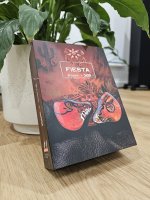
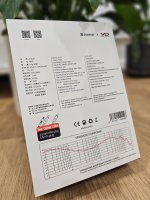
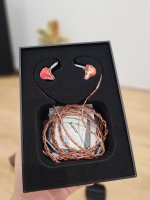
In the box, there’s a card with two QR codes linking Vivir Digital Fiesta playlists on Tidal and Spotify; a nice touch packed with tracks suited to show off what this set can do.
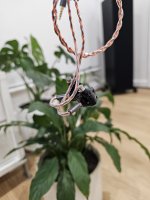
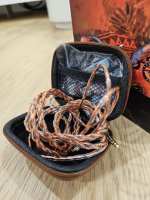
The cables were a massive surprise. Instead of giving you a single cable with modular swappable jacks, JUZEAR packs two entirely separate, full-length 1.35m cables in the box. Included is a 4-strand hybrid single-crystal copper + silver-plated copper 3.5mm single-ended cable with an inline microphone (perfect for casual phone use) and a heavy-duty 4.4mm balanced cable for high-fidelity sources. Both have a premium heft, zero memory retention, low microphonics, and the extra 15cm of length provides way better freedom of movement than standard market cables.
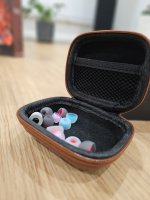
It includes a brown, branded, sturdy storage case that easily fits the large IEM footprint and extra cables.
It comes with seven total pairs of eartips, split into three pairs of wide-bore silicone tips, three pairs of narrow-bore tips (grey with red centers) and a single pair of medium foam tips and a cleaning cloth.
Design
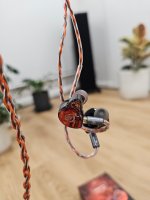
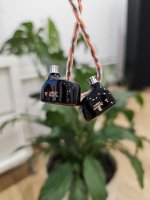
The resin shells have the same mid-to-large footprint as JUZEAR’s older Defiant model, featuring a semi-ergonomic shape and a small stability wing. They fit my ears securely, though if you have particularly small outer ears or a narrow ear canal, the larger nozzle diameter might cause a bit of pressure after a couple of hours.
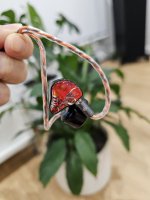
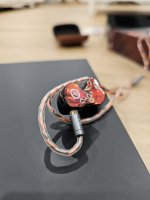
The faceplates are stunning; an artistic mix of vibrant orange and chocolate brown inspired by Latin American piñata patterns. Pictures really don’t do justice to the depth and three-dimensional rainbow-like reflections in the resin when it catches the light.
Crucially, JUZEAR added a revised micro-hole ventilation system near the 2-pin connector. It eradicates that driver flex crackle when inserting them and prevents the sealed-in pressure build-up that usually causes physical fatigue during long listening sessions. I can wear these for over 4 hours will have no discomfort.
Sound Impressions
The bass is definitely the star of the show. JUZEAR tuned the 10mm dynamic driver to mimic a home theater subwoofer. The sub-bass extends deep, delivering a physical, lasting vibration that you can actually feel on electronic tracks, hip-hop, and modern urban beats. Tracks with heavy drops show a beautiful, natural, speaker-like decay rather than a fast, dry snap.
The crossover control is fantastic. When an IEM pushes this much sub-bass, the mid-bass becomes a bloated, muddy mess that bleeds over the track. Here, the mid-bass gives a satisfying, punchy kick but pulls back enough to keep the lower frequencies from turning into a chaotic soup. There is some low-end warmth coloring the lower midrange, but it is deliberate tuning rather than accidental bloat.
As crossover handles the transitions cleanly, the midrange stays organic and clear. Vocals have a rich, full-bodied character and a natural note weight. Male vocals sound thick and engaging. However, the mids are definitely relaxed and pulled back in the mix. Vocal-centric tracks can feel slightly distant or detached. If you prefer intimate, “in-your-face” female vocals or a lean presentation, these might not be for you. It’s tuned for soul, R&B, and Latin rhythms like salsa, handling multiple acoustic instruments without congestion.
The treble is smooth. JUZEAR tuned to avoid metallic harshness, sibilance, or BA timbre. This means this is a zero-fatigue monitor. Even on poorly recorded or naturally bright material, you can turn up the volume to enjoy that massive bass response without worrying about piercing cymbal strikes drilling into your eardrums. The downside is that it lacks “air” and micro-detail. If you’re a treble-head who lives for crisp, sparkling transient details and massive technical extension, the top end here will feel overly dark and rounded off.
Instead of a wide, sweeping soundstage, the presentation here is intimate and focused right in front of you. However, it makes up for that narrowness with unique vertical height; when a heavy bassline hits, the rumble feels like it wraps around you from top to bottom, mimicking the room-filling vibe of a real subwoofer. While instrument layering and imaging are decent for the price, it isn’t sharp enough to replace a dedicated gaming or analytical set for pinpoint spatial tracking.
Miscellaneous
Conclusion
The JUZEAR Fiesta is not trying to be a jack-of-all-trades or a reference monitor. It’s built for pure musical enjoyment. If your playlists are heavy on Trap, EDM, Reggaeton, or Synthwave and you want a smooth, non-fatiguing top end paired with an deep, physical rumble, the Fiesta delivers exactly what it promise. It’s a party piece, and a highly enjoyable one at that.
Pros:
Cons
The JUZEAR x Vivir Digital Fiesta is designed to mimic a home theater subwoofer in your ears. Delivering a deep vibrating sub-bass rumble that somehow avoids turning muddy thanks to a tight crossover control over the mid-bass. The midrange is pulled back and smooth treble skips the fine micro-details, but this makes it fatigue-free when you turn up the volume. Combined with gorgeous, pressure-vented resin shells and the inclusion of two separate premium cables (3.5mm mic + 4.4mm balanced), it’s a win for bassheads who live for EDM, Hip-Hop and Trap.
JUZEAR x Vivir Digital Fiesta Review IEM
I’ve tested the JUZEAR x Vivir Digital Fiesta for the past couple of weeks, running it through several sources like my portable dongles and a balanced desktop setup. This is a collaboration with the Latin American reviewer Vivir Digital. It is a specialized, warm, bass-forward hybrid set designed to bring a specific kind of fun.
If you are looking for a sterile, reference-flat studio monitor, you might skip this. But if you want a physical, speaker-like experience that doesn’t destroy the rest of the frequency response, this one is definitely worth a look.
Unboxing
- Driver Configuration: 1 Dynamic Driver (3rd-gen 10mm Carbon-PU composite) + 3 Balanced Armatures per side.
- Tuning Framework: Gold-plated PCB crossover with a 3-way fully damped acoustic guide system.
- Impedance: 32Ω / Sensitivity: 109dB (super easy to drive).
In the box, there’s a card with two QR codes linking Vivir Digital Fiesta playlists on Tidal and Spotify; a nice touch packed with tracks suited to show off what this set can do.
The cables were a massive surprise. Instead of giving you a single cable with modular swappable jacks, JUZEAR packs two entirely separate, full-length 1.35m cables in the box. Included is a 4-strand hybrid single-crystal copper + silver-plated copper 3.5mm single-ended cable with an inline microphone (perfect for casual phone use) and a heavy-duty 4.4mm balanced cable for high-fidelity sources. Both have a premium heft, zero memory retention, low microphonics, and the extra 15cm of length provides way better freedom of movement than standard market cables.
It includes a brown, branded, sturdy storage case that easily fits the large IEM footprint and extra cables.
It comes with seven total pairs of eartips, split into three pairs of wide-bore silicone tips, three pairs of narrow-bore tips (grey with red centers) and a single pair of medium foam tips and a cleaning cloth.
Design
The resin shells have the same mid-to-large footprint as JUZEAR’s older Defiant model, featuring a semi-ergonomic shape and a small stability wing. They fit my ears securely, though if you have particularly small outer ears or a narrow ear canal, the larger nozzle diameter might cause a bit of pressure after a couple of hours.
The faceplates are stunning; an artistic mix of vibrant orange and chocolate brown inspired by Latin American piñata patterns. Pictures really don’t do justice to the depth and three-dimensional rainbow-like reflections in the resin when it catches the light.
Crucially, JUZEAR added a revised micro-hole ventilation system near the 2-pin connector. It eradicates that driver flex crackle when inserting them and prevents the sealed-in pressure build-up that usually causes physical fatigue during long listening sessions. I can wear these for over 4 hours will have no discomfort.
Sound Impressions
- Bass
The bass is definitely the star of the show. JUZEAR tuned the 10mm dynamic driver to mimic a home theater subwoofer. The sub-bass extends deep, delivering a physical, lasting vibration that you can actually feel on electronic tracks, hip-hop, and modern urban beats. Tracks with heavy drops show a beautiful, natural, speaker-like decay rather than a fast, dry snap.
The crossover control is fantastic. When an IEM pushes this much sub-bass, the mid-bass becomes a bloated, muddy mess that bleeds over the track. Here, the mid-bass gives a satisfying, punchy kick but pulls back enough to keep the lower frequencies from turning into a chaotic soup. There is some low-end warmth coloring the lower midrange, but it is deliberate tuning rather than accidental bloat.
- Midrange
As crossover handles the transitions cleanly, the midrange stays organic and clear. Vocals have a rich, full-bodied character and a natural note weight. Male vocals sound thick and engaging. However, the mids are definitely relaxed and pulled back in the mix. Vocal-centric tracks can feel slightly distant or detached. If you prefer intimate, “in-your-face” female vocals or a lean presentation, these might not be for you. It’s tuned for soul, R&B, and Latin rhythms like salsa, handling multiple acoustic instruments without congestion.
- Treble
The treble is smooth. JUZEAR tuned to avoid metallic harshness, sibilance, or BA timbre. This means this is a zero-fatigue monitor. Even on poorly recorded or naturally bright material, you can turn up the volume to enjoy that massive bass response without worrying about piercing cymbal strikes drilling into your eardrums. The downside is that it lacks “air” and micro-detail. If you’re a treble-head who lives for crisp, sparkling transient details and massive technical extension, the top end here will feel overly dark and rounded off.
- Soundstage
Instead of a wide, sweeping soundstage, the presentation here is intimate and focused right in front of you. However, it makes up for that narrowness with unique vertical height; when a heavy bassline hits, the rumble feels like it wraps around you from top to bottom, mimicking the room-filling vibe of a real subwoofer. While instrument layering and imaging are decent for the price, it isn’t sharp enough to replace a dedicated gaming or analytical set for pinpoint spatial tracking.
Miscellaneous
- Tip Selection: I recommend using the wide-bore silicone tips or aftermarket options. The wider bore lets the treble breathe and brings the upper-mids forward just enough to balance out the low end.
- Volume Scaling: This set is built for people who like to turn the volume up. If you listen at quiet, low background levels, the Fiesta can sound a bit dark and muffled. But because the treble is smooth and completely free of sharp, piercing peaks, you can crank the volume safely. Pushing the slider higher brings out the hidden clarity and crispness in the upper frequencies, making the music feel much more alive without ever hurting your ears.
- Source Pairing: With an impedance of 32Ω and 109dB sensitivity, you can easily power this off just about anything, including a basic phone or iPad. However, because the earphones naturally sound thick and warm, they pair best with clean, neutral sources (like a Qudelix-5K or a transparent desktop DAC/amp). Plugging them into a warm or bass-boosted source can make the sound feel a bit too muddy and sluggish. Stick to a clean, uncolored source to keep the details as tight and punchy as possible.
Conclusion
The JUZEAR Fiesta is not trying to be a jack-of-all-trades or a reference monitor. It’s built for pure musical enjoyment. If your playlists are heavy on Trap, EDM, Reggaeton, or Synthwave and you want a smooth, non-fatiguing top end paired with an deep, physical rumble, the Fiesta delivers exactly what it promise. It’s a party piece, and a highly enjoyable one at that.
Pros:
- Massive sub-bass that reaches incredibly deep with a natural, speaker-like rumble.
- Outstanding accessory package featuring two entirely separate, premium-quality cables.
- Ultra-smooth, fatigue-free treble that sounds even better when you crank the volume.
- Clever shell venting completely eliminates ear pressure build-up and driver flex.
- Eye-catching, three-dimensional resin shells inspired by vibrant piñata patterns.
Cons
- Treble is quite dark, missing out on top-end crispness, sparkle, and fine detail.
- Recessed midrange makes vocals sound a bit distant and heavily warmed up by the bass.
- Large shell footprint and wider nozzles might cause fit issues for smaller ears.
- Narrow soundstage width makes it a poor match for live acoustic or orchestral music.