_theaudiofile
New member
- Joined
- Apr 13, 2026
- Messages
- 20
- Thread Author
- #1
Been testing the Muse HiFi M3 Ultra pocket tube DAC/amp on my desk for a couple of weeks now. My setups are usually standalone desktop DACs, discrete solid-state amps and hifi stacks. But this tiny $110 dongle cramming real vacuum tubes into a pocketable footprint got me intrigued.
I tested it to see if it actually delivered a genuine analog experience, or if it was just a cool gimmicky marketing product.
What's in the box

Design
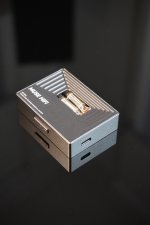
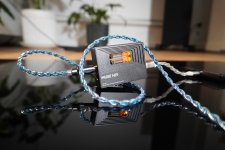
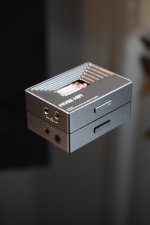
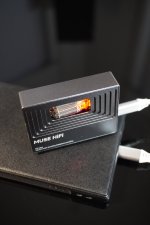
The M3 Ultra weighs 55 grams and sized roughly like a small stack of credit cards, it feels solid due to to its CNC-machined aluminum chassis. The product is essentially a hollow, open cutout on the frame that lets you see the bare dual vacuum tubes glowing orange when powered.
While it is cool, something to keep in mind is that there is no glass covering the window, the vacuum tubes are exposed. It collects dust and I would be careful to toss into a pocket with keys or lint. Handle it with a bit of care.
Design is of a minimalist approach; no screens, no Bluetooth and no companion software bloat. It features physical, machined metal volume up/down buttons. The built-in volume memory is practical, as it automatically remembers your volume tier even unplugged. Heat dissipation is excellent; after a three-hour session, the metal shell barely feels warm.
Power
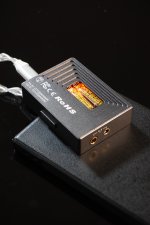
For an ultra-portable stick running off standard 5V USB bus power, the power output is simply impressive. It is rated to push 460mW out of the 3.5mm single-ended port and 480mW out of the 4.4mm balanced connection at 32Ω.
With the 4.4mm balanced plug, I had great amounts of dynamic headroom with the Audio Technica ATH-R50x, rarely needing to cross the 50-60% volume threshold to get a punchy, fully awake presentation. The efficient Juzear Defiant hybrid IEMs were driven effortlessly with power to spare.
Keep in mind that these numbers won't replace a proper wall-powered desktop amplifier for demanding gear. If you hook up heavy, hard-to-drive planar magnetic headphones, the sound will lose its tight bass control and start feeling flat when you turn the volume up loud.
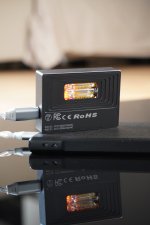
Portable tube amps are usually affected by two major issues: phone radio static and microphonics; that annoying metallic ringing sound you hear in your headphones every time the device bumps against a table. Muse HiFi fixed this by mounting the tubes on physical silicone shock absorbers and adding an internal noise filter. It works amazingly. The background is dead silent even with highly sensitive IEMs.
Sound
This device pairs an ESS Sabre DAC chip for digital processing with two real Raytheon vacuum tubes. The most important technical thing to know before buying is that it has a very high output impedance (13 ohms on the standard jack and 8.6 ohms on the balanced jack). Because this number is high, it acts like a built-in sound adapter that will actively change how your earphones sound depending on how they are built.
This implementation keeps things clear. The ESS chip provides plenty of sharp, detailed treble details, while the tubes add a thicker, larger-than-life warmth to everything below the midrange.
Here is how it changed my specific gear:
Verdict
If you are an audio hobbyist looking to take the sterile, clinical edge off lean or analytical headphones, and you want to experience authentic analog tube thickness for around $110, the M3 Ultra is an absolute blast to use.
If you made it this far, thank you for reading.

I tested it to see if it actually delivered a genuine analog experience, or if it was just a cool gimmicky marketing product.
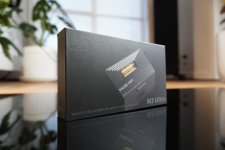
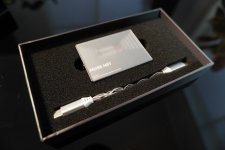
What's in the box
- The Muse HiFi M3 Ultra hardware unit itself.
- Braided USB-C to USB-C cable
- USB-C female to USB-A male adapter
- User manual
Design
The M3 Ultra weighs 55 grams and sized roughly like a small stack of credit cards, it feels solid due to to its CNC-machined aluminum chassis. The product is essentially a hollow, open cutout on the frame that lets you see the bare dual vacuum tubes glowing orange when powered.
While it is cool, something to keep in mind is that there is no glass covering the window, the vacuum tubes are exposed. It collects dust and I would be careful to toss into a pocket with keys or lint. Handle it with a bit of care.
Design is of a minimalist approach; no screens, no Bluetooth and no companion software bloat. It features physical, machined metal volume up/down buttons. The built-in volume memory is practical, as it automatically remembers your volume tier even unplugged. Heat dissipation is excellent; after a three-hour session, the metal shell barely feels warm.
Power
For an ultra-portable stick running off standard 5V USB bus power, the power output is simply impressive. It is rated to push 460mW out of the 3.5mm single-ended port and 480mW out of the 4.4mm balanced connection at 32Ω.
With the 4.4mm balanced plug, I had great amounts of dynamic headroom with the Audio Technica ATH-R50x, rarely needing to cross the 50-60% volume threshold to get a punchy, fully awake presentation. The efficient Juzear Defiant hybrid IEMs were driven effortlessly with power to spare.
Keep in mind that these numbers won't replace a proper wall-powered desktop amplifier for demanding gear. If you hook up heavy, hard-to-drive planar magnetic headphones, the sound will lose its tight bass control and start feeling flat when you turn the volume up loud.
Portable tube amps are usually affected by two major issues: phone radio static and microphonics; that annoying metallic ringing sound you hear in your headphones every time the device bumps against a table. Muse HiFi fixed this by mounting the tubes on physical silicone shock absorbers and adding an internal noise filter. It works amazingly. The background is dead silent even with highly sensitive IEMs.
Sound
This device pairs an ESS Sabre DAC chip for digital processing with two real Raytheon vacuum tubes. The most important technical thing to know before buying is that it has a very high output impedance (13 ohms on the standard jack and 8.6 ohms on the balanced jack). Because this number is high, it acts like a built-in sound adapter that will actively change how your earphones sound depending on how they are built.
This implementation keeps things clear. The ESS chip provides plenty of sharp, detailed treble details, while the tubes add a thicker, larger-than-life warmth to everything below the midrange.
Here is how it changed my specific gear:
- With the ATH-R50x: The flat, dry, studio nature of these headphones benefits. The tube stage takes away that sterile feeling, injecting warmth into the vocals and giving instruments a more natural weight.
- With the Juzear Defiant: Because these IEMs react strongly to high impedance, the sound signature shifts noticeably. The mid-bass becomes punchier and fuller, while the sharp treble peaks are smoothed out. It turns the Defiant into a very smooth, analog, almost vinyl-like listening experience.
Verdict
If you are an audio hobbyist looking to take the sterile, clinical edge off lean or analytical headphones, and you want to experience authentic analog tube thickness for around $110, the M3 Ultra is an absolute blast to use.
If you made it this far, thank you for reading.